The Material Speaks: Why Handcrafted Paper Is More Than a Surface

In an age where almost everything begins and ends on a screen, paper has quietly become extraordinary.Not because it is rare—but because it has become intentional.
At Inkroot, we don't see paper as a medium that simply carries ink. We see it as a material with memory. Every sheet carries the story of the fibres it came from, the hands that shaped it, and the traditions that have refined its making over generations.
A Material That Breathes
Industrial paper is manufactured for consistency.
Handcrafted paper is created for character.
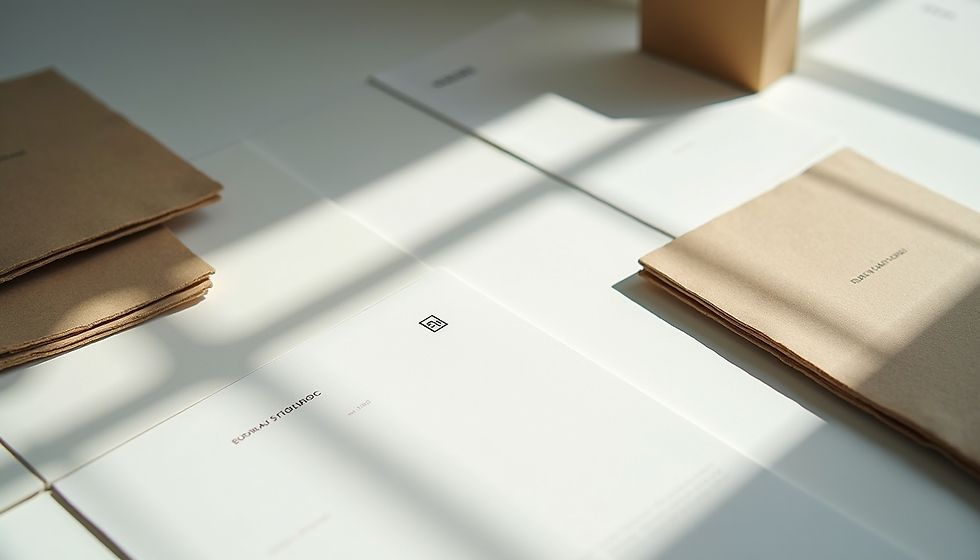
The subtle textures, natural fibres, soft deckled edges, and slight variations are not imperfections. They are evidence that the material was made—not manufactured.
Each sheet becomes unique because no machine can perfectly replicate the rhythm of human hands.
That uniqueness transforms an ordinary notebook, journal, invitation, or artwork into something deeply personal.
India's Living Legacy of Handmade Paper
India has a long relationship with handcrafted paper.
Centuries before mass manufacturing, artisans developed techniques using cotton rags, natural fibres, agricultural waste, and recycled textiles to create durable writing surfaces. These practices evolved alongside local crafts, adapting to regional materials and cultural aesthetics.
Today, many of these traditional methods continue—not because they are nostalgic, but because they remain remarkably sustainable.Handmade paper often requires significantly less energy, creates minimal industrial waste, and gives new life to discarded natural fibres that would otherwise be lost.
Choosing handcrafted paper isn't simply choosing a premium product.
It is choosing a slower, more thoughtful way of making.
Texture Changes the Experience
Have you ever noticed how differently you write in a beautiful notebook?
The pace changes.The handwriting becomes slower.Ideas feel more deliberate. Material influences behaviour.
The tactile quality of handcrafted paper encourages mindfulness in ways that smooth industrial paper rarely does. Designers understand this instinctively—the surface shapes the experience before a single word is written.
That is why artists, architects, writers, and collectors continue to seek papers with character rather than perfection.
Sustainability That Goes Beyond Recycling
Sustainability is often reduced to certifications and recycled content.
True sustainability is also about longevity.
A handcrafted journal that someone treasures for years creates less waste than disposable products designed for convenience.When products are made with care, people naturally care for them longer.That relationship between maker, object, and owner is one of the oldest principles of sustainable design.
Why Inkroot Chooses Craft Over Convenience
At Inkroot, every material is selected because it tells a story.
We work with handcrafted papers not simply because they look beautiful, but because they embody values we believe deserve preservation:
Authentic craftsmanship
Responsible material choices
Timeless design
Indian artisan traditions
Products created to be kept, not consumed
Our collections celebrate materials that improve with touch, age gracefully, and become more meaningful through use.
Because luxury isn't about excess.
It's about intention.

The Future of Paper Is Human
As artificial intelligence creates more digital content than ever before, physical experiences will become increasingly valuable.
A handcrafted notebook.
A beautifully made journal.
A thoughtfully designed gift.
These are not simply objects.
They are reminders that human hands still create things no algorithm can imitate.
At Inkroot, we believe every meaningful story deserves a meaningful surface and sometimes, the story begins with the paper itself.
Comments